






There are buyers with available funds. What’s missing are homes.
Puerto Rico faces a critical shortage of new housing. Families with purchasing power, government assistance, relocation vouchers, and available financing exist, but the inventory of eligible homes is limited.
The opportunity does not arise from an abstract promise of demand: it arises from a verifiable housing need and a supply that has not grown at the rate that the market needs.
The structural housing shortage continues to drive sustained demand.
Residential demand in Puerto Rico doesn't come from a single group of buyers. It arises from a combination of families with private financing, beneficiaries of Hurricane Maria recovery programs, and families affected by the southern earthquakes. They all face the same problem: there is money and need, but not enough new housing available.
Reduced New Construction
Residential construction has fallen sharply from the levels seen in the early 2000s.
More Restrictive Credit Conditions
Following the 2008 crisis, large-scale financing for residential developments became more conservative.
Supply-Demand Gap
Programs, buyers, and vouchers create purchasing power; the bottleneck is available inventory.
Why is there such a great need for housing, but so few houses available?
Tap any of the boxes to see the expanded explanation, key facts, and related sources.
That's why PRRE will develop 510 residential units. But the demand is much higher.
PRRE units seek to address a specific part of a much broader need: regular buyers, R3 beneficiaries, and earthquake-affected families who need new, safe, and eligible housing.
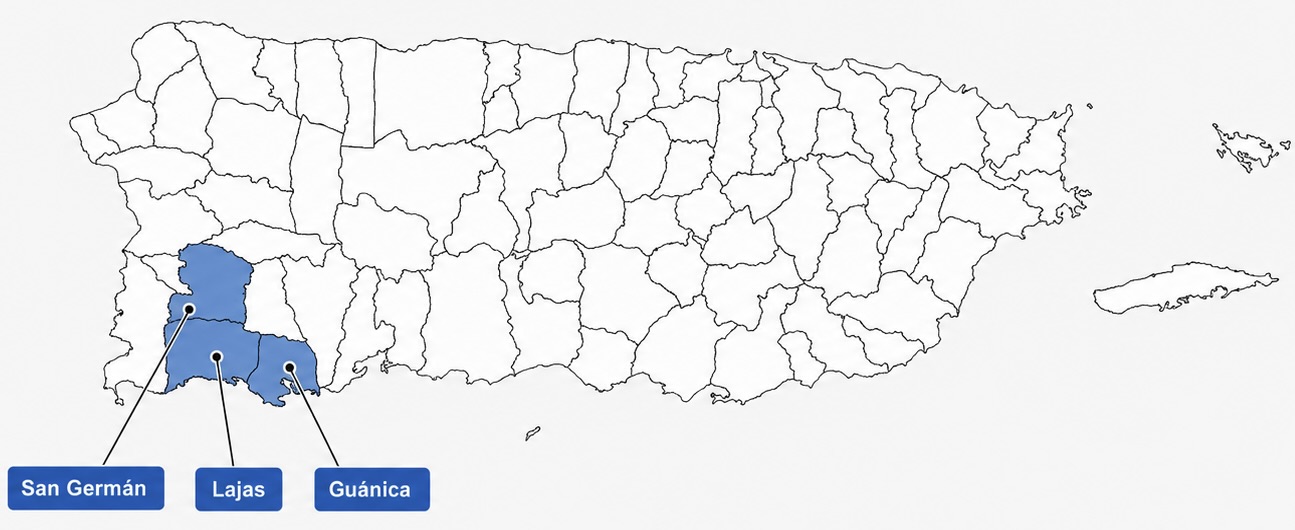
Projects strategically located where housing demand is most evident.
PRRE projects are located in key municipalities across southern and western Puerto Rico, where four factors converge: housing shortages, identified buyers, active assistance programs, and the need for eligible housing inventory.
The Investment Thesis: Build Where Demand Already Exists
Puerto Rico’s residential market presents an unusual combination: buyers with purchasing power, government programs with allocated funding, and a limited supply of new housing inventory.
PRRE seeks to address this gap by developing residential communities in strategic locations, with units designed for real buyers, active housing programs, and verifiable housing needs.